15 November 2026
Recognizing Plumbing Codes and Laws
Presented by @draincareblogmp100
As a liable house owner or structure supervisor, you can't manage to overlook the value of plumbing codes and policies. These guidelines aren't simply bureaucracy - they're made to protect the health and health of your occupants. Dive deeper, and you'll discover a globe of crucial considerations, from garbage disposal and fixture demands to water conservation and prospective risks. Compliance may appear daunting, yet understanding these standards is critical for maintaining a risk-free, reliable, and up-to-date plumbing system. Are you prepared to explore the ins and outs of this vital facet of home management?
Trick Takeaways
- Plumbing codes guarantee the health, safety, and wellness of structure passengers by developing minimum criteria for plumbing layout, setup, and upkeep.
- Plumbing codes manage garbage disposal approaches, ventilation requirements, and access criteria to protect public health and wellness and security.
- Plumbing licenses and assessments validate compliance with codes and make sure appropriate installment and efficiency of plumbing systems.
- Plumbing products and tools should satisfy specified safety and security and efficiency criteria to make sure the honesty of the plumbing system.
- Ongoing maintenance and conformity audits are important for the effective and secure procedure of plumbing systems over time.
Purpose of Plumbing Codes and Laws
Plumbing codes and guidelines serve to assure the health, safety, and wellness of structure passengers by establishing minimal criteria for the style, installment, and maintenance of plumbing systems.
You'll find that these codes and laws are in area to confirm plumbing safety, shielding you and your household from the risks connected with incorrect plumbing. They cover whatever from the products utilized in pipes and fixtures to the correct procedures for mounting and checking plumbing systems.
Moreover, plumbing codes play a crucial function in water conservation. By setting guidelines for water-efficient fixtures and devices, they help reduce water waste and advertise lasting practices. This not just benefits the environment however can additionally bring about reduced utility costs for you.
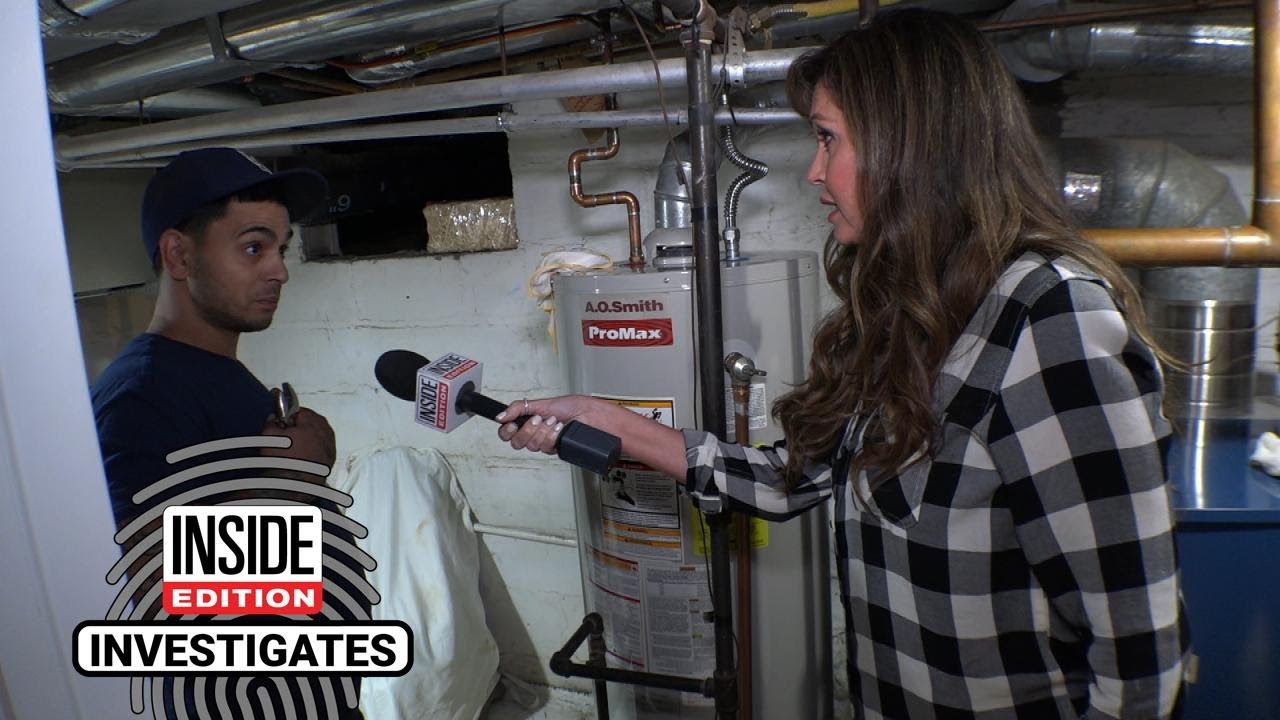
As a liable home owner or structure supervisor, you'll require to acquaint on your own with the appropriate plumbing codes in your location to validate your plumbing system fulfills the essential requirements. Understanding the purpose of these codes will aid you make educated decisions and preserve a safe, efficient, and environmentally friendly plumbing setup.
Trick Parts of Plumbing Codes
As you discover the vital components of plumbing codes, you'll locate that they cover a series of essential aspects.
From specifying the called for plumbing fixtures to regulating waste disposal and making certain appropriate ventilation, these codes aim to protect public wellness and safety and security.
Allow's take a more detailed look at these crucial elements that comprise the structure of durable plumbing standards.
Plumbing Fixture Demands
Typically, you'll locate that plumbing fixture needs are a crucial component of any type of extensive plumbing code, determining the requirements and specs for the various fixture kinds used in a building's plumbing system.
These needs cover everything from the number and placement of fixtures to their minimum and maximum measurements, guaranteeing they meet ease of access requirements and provide appropriate functionality.
For example, the code may mandate a details number of sinks, toilets, and showers based on the structure's occupancy, with guidelines on their availability and placement.
Similarly, the fixtures themselves have to stick to rigorous standards, such as minimal basin sizes, optimal water consumption rates, and ease of access functions like grab bars and lever-style faucets.
Garbage Disposal Laws
Appropriate garbage disposal is an important element of any type of thorough plumbing code, guaranteeing the safe and reliable removal of previously owned water and various other fluid results from a structure's plumbing system. Plumbing codes commonly lay out specific demands for the sorts of waste disposal technologies that must be made use of, such as sewage system connections, septic systems, and grease catches. These regulations ensure that hazardous waste, like grease and chemicals, are correctly contained and gotten rid of to stop environmental contamination.
When it pertains to hazardous waste disposal, plumbing codes frequently mandate using specialized storage space and therapy systems. For example, business kitchens may be required to mount grease traps to capture and get rid of fats, oils, and oil prior to they can get in the sewer system.
Adherence to these garbage disposal laws is essential for shielding public wellness and the environment. Failing to comply with plumbing codes can result in hefty penalties and even legal action, so it's imperative for structure proprietors and contractors to acquaint themselves with the applicable waste disposal rules.
Air flow Specifications
Plumbing codes' air flow criteria mandate the combination of effective airflow systems to protect the safe and efficient procedure of a structure's plumbing framework. These codes specify different ventilation kinds, each designed to keep excellent air quality and avoid the build-up of dangerous gases.
For instance, plumbing vents play an essential role in safely removing sewer gases, while mechanical ventilation systems ensure a consistent exchange of fresh air throughout the structure.
Adherence to these air flow criteria is critical, as correct air flow not just safeguards passenger health and wellness however also maintains the stability of the plumbing system itself. Poor air flow can cause rust, clogs, and even the potential for unsafe backflow events.
Plumbing License Requirements
Prior to you start any kind of plumbing work, you'll need to obtain the required authorizations.

Inspections are called for at various phases of the task to assure conformity with regional plumbing codes.
Failing to obtain the correct permits and pass examinations could cause expensive fines and hold-ups, so ensure you understand the license requirements in your location.
Requesting Permits
When taking on any type of plumbing project, you'll need to acquire the needed authorizations from your local authorities before you can begin the work. This procedure normally involves sending an authorization application, which details the scope of your project and supplies information about the proposed work. Depending upon your area, license charges can vary, so it's vital to check with your neighborhood building or plumbing division to comprehend the specific needs.
Once you've submitted your authorization application, the authorities will certainly assess it to verify your task straightens with local plumbing codes and guidelines. This review process can spend some time, so it's crucial to prepare in advance and send your application well before you prepare to begin the job.
Acquiring the necessary licenses not just ensures your job is certified yet likewise protects you from possible legal problems or penalties down the line.
Examinations Need
When you have actually obtained the needed permits, the authorities will arrange a collection of assessments to validate your plumbing job adheres to regional codes and laws. These assessments usually cover different phases of the task, from the initial rough-in to the final installment, permitting the examiner to verify the work meets safety and quality standards.
The assessment frequency varies relying on your area, but you can usually anticipate at least 3 evaluations: the rough-in assessment, the top-out inspection, and the final inspection.
Throughout the rough-in assessment, the inspector will certainly inspect the placement and installment of pipes, fittings, and water drainage elements before they're covered. The top-out assessment verifies the correct setup of fixtures, home appliances, and airing vent systems. Ultimately, the final examination confirms the whole plumbing system is functioning correctly and meets the code demands laid out in the examination list.
Passing these examinations is necessary to obtaining the last sign-off on your job, so be sure to acquaint on your own with the neighborhood evaluation demands and set up the consultations immediately.
Assessments and Code Enforcement
Plumbing examinations are crucial to ensuring your home or building complies with regional plumbing codes, safeguarding the health and safety of its residents.
Depending on your place, you may need to schedule normal assessments at various stages of a new building and construction or improvement project, like when the pipes are set up or prior to the wall surfaces are closed. Assessors will check that your plumbing system meets the needed requirements and does not have any kind of code violations.
If an assessor finds a concern, you'll need to resolve it before you can proceed. This can involve taking care of a leaky pipe, upgrading outdated parts, or making other essential modifications.
Disregarding code infractions can cause substantial penalties and also the opportunity of having to tear out and redesign job. So it is essential to stay on top of assessments and attend to any type of troubles without delay.
Doing so will aid assure your plumbing system operates securely and successfully for several years to come.
Material and Equipment Specifications
When it comes sheernessplumber.co.uk plumbing sheerness to plumbing codes, you'll discover that approved product requirements and devices installation requirements are crucial.
Plumbing systems must use materials that satisfy strenuous security and efficiency criteria.
Proper installation of plumbing tools is equally essential to guarantee the system works safely and efficiently.
Approved Product Specs
Accepted materials and devices used in plumbing systems need to follow specific criteria, guaranteeing the safety and reliability of your home's plumbing facilities.
These specification standards, established by companies like the American Culture of Mechanical Engineers (ASME) and the American Water Functions Association (AWWA), detail the minimal needs for products and elements used in plumbing applications. For instance, copper pipes must satisfy ASTM B88 requirements for chemical composition, wall density, and tensile strength. In a similar way, PVC pipes have to adhere to ASTM D1785 standards to be thought about accepted for use in property and business plumbing systems.
Complying with these accepted material specifications is necessary, as it ensures the plumbing system can stand up to the stress, temperature levels, and destructive elements it will certainly come across throughout typical operation.
Equipment Setup Demands
Beyond just making use of approved products, proper installation of plumbing equipment and elements is vital to ensuring a functional and secure system.
You must follow specific setup guidelines detailed in plumbing codes and maker instructions to protect peak performance and durability. This may consist of demands for pipe dimensions, joint kinds, slope, clearances, and access provisions, to name a few information, all of which interact to produce a well-designed plumbing network.
When it comes to tools choice, plumbing codes supply standards to ensure compatibility and correct functioning. For instance, hot water heater should be sized properly for the awaited need, and they have to be mounted with the needed security devices like temperature and pressure relief valves.
Likewise, fixtures like toilets, sinks, and showers have actually specified placing heights and clearances to fit access and functional designs.
Complying with these setup finest methods is important for meeting code compliance and guaranteeing a risk-free, effective, and durable plumbing system.
Drain and Venting Systems
Correct water drainage and venting systems are necessary for guaranteeing the reliable and risk-free elimination of wastewater from your home, shielding both your plumbing and the setting.
Your drainage system must be made to handle the quantity of water and waste created in your home, with sufficient slope and capability to avoid blockages and backups. Venting strategies, such as making use of air vent pipes, aid keep the proper air pressure in the system, enabling smooth and unblocked circulation.
The plumbing code defines the called for size, products, and installation approaches for water drainage and airing vent elements. For instance, the code may determine the minimal diameter of drain pipes or the placement of air vent heaps.
Complying with these guidelines is vital, as improper water drainage or airing vent can result in sewer gas accumulation, foul smells, and also structural damage.
Water and Distribution
Commonly, the supply of water and circulation system in your house relies upon a network of pipes that move clean water from the local resource or well to various fixtures and devices throughout the structure.
These pipes are developed to deliver water at the ideal pressure, making certain an adequate supply for your day-to-day needs. Correct water and distribution are essential for making sure the reliable and efficient functioning of your plumbing system.
One vital factor to consider is water conservation. By including water-efficient fixtures and devices, you can minimize your general water usage and minimize the pressure on your supply system. This not only assists preserve this precious source however can likewise decrease your energy expenses.
Furthermore, keeping the proper supply pressure is necessary for ensuring peak performance of your plumbing system. Unexpected decrease in pressure can indicate problems that require prompt interest from a qualified plumbing professional.
Recognizing the details of your home's water supply and circulation system is crucial to keeping a well-functioning plumbing network.
Fixtures and Appliance Setup
When setting up plumbing fixtures and home appliances, you'll need to carefully follow the appropriate structure and plumbing codes to ensure proper functionality and security. Following these laws is important, as they determine the appropriate products, sizing, and installment approaches for different components within your home's plumbing system.
The codes specify the appropriate fixture types, such as toilets, sinks, and bathtubs, together with their required measurements and flow prices. Similarly, appliance requirements like water heaters and cleaning makers need to follow the codes to identify compatibility and prevent concerns like heartburn or leaks.
Inaccurate installment can result in water damage, ineffective operation, and even safety risks.
Backflow Avoidance and Cross-Connections
Safeguarding your plumbing system from possible contamination is important, which is where backflow avoidance and managing cross-connections enter into play.
Heartburn happens when water streams in the opposite instructions, potentially attracting toxins back into your tidy water. This is where heartburn testing is available in - it ensures your heartburn avoidance gadgets are functioning correctly, safeguarding your home and neighborhood.
Cross-connection control is similarly essential, as it recognizes and eliminates any vulnerable connections in between your safe and clean water and sources of contamination, like irrigation systems or commercial devices.
Plumbing codes mandate the installation of authorized heartburn preventers at numerous points in your plumbing network. These tools act as one-way valves, enabling water to stream in the intended direction yet not back the various other method.
Routine specialist screening of these gadgets is essential, as is attending to any type of cross-connections that might arise. By remaining on top of these code demands, you'll protect the quality and security of your home's water system.
Recurring Upkeep and Compliance
Correct maintenance and compliance with plumbing codes do not simply occur - they require diligent effort on your part. As a responsible homeowner or supervisor, you have to remain on top of preventive maintenance to ensure your plumbing system continues to operate efficiently and securely. This indicates consistently examining for concerns, resolving them without delay, and recording your actions.
Normal compliance audits are additionally vital. These assessments evaluate your plumbing system's adherence to neighborhood and national codes. Throughout an audit, an assessor will certainly look at whatever from heartburn avoidance gadgets to pipe materials and fittings. Passing an audit demonstrates your commitment to safety and can aid you avoid pricey fines or legal troubles down the line.
Don't wait till a trouble emerges to do something about it. Proactive upkeep and a watchful strategy to conformity will keep your plumbing in leading form and your home in good standing with authorities. With persistance and attention to detail, you can stay in advance of concerns and secure the safety and security and honesty of your plumbing system.
Frequently Asked Concerns
Just how Do I Compute the Cost of a Plumbing Project?
To determine the cost of a plumbing job, you'll need to begin by developing a comprehensive spending plan evaluation.
First, establish the products you'll need and their costs. This consists of pipes, fittings, fixtures, and any specific equipment.
Do not neglect to consider labor costs as well.
Make sure to leave area in your allocate unforeseen costs that might arise during the job.
With a comprehensive strategy in position, you can much better take care of the general expense of your plumbing job.
What Are one of the most Common Plumbing Concerns in Older Residences?
As an older property owner, you might face typical plumbing concerns like out-of-date pipe materials and bothersome drainage systems.
Older homes usually have galvanized steel or cast iron pipes, which can corrode gradually, leading to leaks and low water pressure.
In addition, your drain system might have a hard time to manage modern-day water use, resulting in obstructions and back-ups.
Addressing these plumbing challenges can help improve the effectiveness and safety and security of your home's plumbing.
Just how Do I Troubleshoot a Clogged Drain?
To troubleshoot a stopped up drain, start by getting some plumbing devices like a plunger or a drainpipe snake.
Use the plunger to produce suction and dislodge the clog.
If that doesn't function, put the drain snake right into the drainpipe and gradually press it through to break up the obstruction.
If you still can not clear the drainpipe, it could be time to call a specialist plumbing professional for more advanced drain cleansing services.
Can I Set Up Plumbing Fixtures Myself?
Yes, you can definitely set up plumbing fixtures yourself! Do it yourself plumbing tasks like fixture installment are a terrific way to conserve cash and discover brand-new abilities.
Just ensure you have the right devices and comply with the maker's guidelines meticulously.
Take your time, work securely, and don't be afraid to ask for aid if you obtain stuck.
With a little effort, you can take on fixture setup and update your home's plumbing.
Just how Typically Should I Have My Plumbing System Inspected?
You should have your plumbing system evaluated consistently, typically yearly.
Normal evaluations are essential to maintaining the wellness and performance of your plumbing. They permit you to determine and attend to any kind of concerns before they become major problems, saving you money and time.
Plus, inspections can discover concealed leaks, obstructions, or other issues that might lead to water damage if left unchecked.
Final thought
Understand that plumbing codes and policies are important for making certain the health and safety of structure residents. They establish minimum criteria for plumbing design, setup, and upkeep.
Adhere to these laws, consisting of obtaining authorizations and passing examinations, to maintain secure and reliable plumbing systems. Neglecting code conformity could lead to unsafe conditions and expensive effects.
Stay informed and updated on the most up to date plumbing needs to safeguard your building and its passengers.